


Shandong Shenzhou Protection Material & Products Co., Ltd. (Shenzhou for short) was established in 2009. As the earliest enterprise to focus on the research and development of stab-proof materials in China, we have been solely committed to developing and improving the application of non-metallic composite materials in the anti-stab field for 14 years, continuously leading and innovating various technical indicators of anti-stab vest and bulletproof and stab proof dual protective vest. As the best professional scientific research and production enterprise engaged in composite material development in China, We integrate the R&D, production, and sales of high-performance stabproof, stabproof, and bulletproof materials and products.
Why Choose us?
Wide Range of Applications
Our products have been widely used in various protection fields, such as police, military, security, law enforcement, civilians, etc.
Quality Assurance
In terms of quality assurance, our production strictly meets the standards. Adopt a full set of industry-leading testing equipment to ensure the quality of our products.
Complete Qualifications
We have applied patent for its products, which is known as Shenzhou Ding. Shenzhou materials and products have passed both Chinese and International industrial tests and certificates, such as but not limited to the Testing for Quality of Security & Police Electronic Products under the Ministry of Public Security of P.R. CHINA, ISO 9001:2015 Quality Management certificate.
Professional Technical Team
Owning 14 years of professional experience in developing and producing non-metal stab-proof composite sheets, our R&D team composed of one full professor and three associate professors has constantly broken through the core technology of protective materials. In addition, scientific researchers account for half of our company.
Broad Market
Since the foundation of 2009, our protection materials have supplied over 80% of the Chinese market. Besides the USA, we did not stop steps on other states' markets around the world. Welcome to establishing partnerships with more and more international customers.
Good Service
Full-time after-sales personnel provide services 24 hours a day. If any problems occur during the use of the device, users can contact us, we will reply to you within 24 hours by emails.
-

Model: SZ FC-1T. Density: 390±20 g/m2. Thickness: 0.39±0.01 mm. Size: 1200*2380 mm. Base material: Aramid Woven Fabric. Color: Yellow. Protection Standards: NIJ STD–0115.00/UK HOSDB
Add to Inquiry -
Model: SZ FC-1S. Density: 370±15 g/m2. Thickness: 0.38±0.01 mm. Size: 1200*2380 mm. Base material: Aramid Woven Fabric. Color: Yellow. Protection Standard: NIJ STD–0115.00/UK HOSDB
Add to Inquiry -
Model: SZ FC-1Y. Density: 385±20 g/m2. Thickness: 0.39±0.01 mm. Size: 1200*2380 mm. Base material: Aramid Woven Fabric. Color: Yellow. Protection Standards: NIJ STD–0115.00/UK HOSDB
Add to Inquiry -
Model: SZ FC-2. Density: 290±15 g/m2. Thickness: 0.31±0.01 mm. Size: 1200*2380 mm. Base material: Aramid Woven Fabric. Color: Yellow. Protection Standards: NIJ STD–0115.00/UK HOSDB
Add to Inquiry -
Model: SZ FC-1T-B1. Density: 390±20 g/m2. Protection Standard: NIJ STD–0115.00/UK HOSDB. Protection level: level 1/KR1 (Blade). Thickness: 0.39±0.01 mm. Size: 1200*2380 mm. Base material: Aramid
Add to Inquiry -
Model: SZ FC-1S-B1. Density: 370±15 g/m2. Protection Standard: NIJ STD–0115.00/UK HOSDB. Protection level: level 1/KR1 (Blade). Thickness: 0.38±0.01 mm. Size: 1200*2380 mm. Base material: Aramid
Add to Inquiry -
Model: SZ FC-1Y-B1. Density: 385±20 g/m2. Protection Standards: NIJ STD–0115.00/UK HOSDB. Protection level: level 1/KR1 (Blade). Thickness: 0.39±0.01 mm. Size: 1200*2380 mm. Base material: Aramid
Add to Inquiry -
Model: SZ FC-2-B1. Density: 290±20 g/m2. Protection Standards: NIJ STD–0115.00/UK HOSDB. Protection level: level 1/KR1 (Blade). Thickness: 0.31±0.01 mm. Size: 1200*2380 mm. Base material: Aramid
Add to Inquiry -
Model: SZ FC-1T-S1. Density: 390±20 g/m2. Protection Standard: NIJ STD–0115.00/UK HOSDB. Protection level: level 1/KR1+SP1 (Blade + Spike). Thickness: 0.39±0.01 mm. Size: 1200*2380 mm. Base material:
Add to Inquiry -
Model: SZ FC-1S-S1. Density: 370±15 g/m2. Protection Standard: NIJ STD–0115.00/UK HOSDB. Protection level: level 1/ KR1+SP1 (Blade and Spike). Thickness: 0.38±0.01 mm. Size: 1200*2380 mm. Base
Add to Inquiry -
Model: SZ FC-1Y-S1. Density: 385±20 g/m2. Protection Standards: NIJ STD–0115.00/UK HOSDB. Protection level: level 1/KR1 & SP1 (Blade and Spike). Thickness: 0.39±0.01 mm. Size: 1200*2380 mm. Base
Add to Inquiry -
Model: SZ FC-2-S1. Density: 290±20 g/m2. Protection Standards: NIJ STD–0115.00/UK HOSDB. Protection level: level 1/KR1+SP1 (Blade+Spike). Thickness: 0.31±0.01 mm. Size: 1200*2380 mm. Base material:
Add to Inquiry


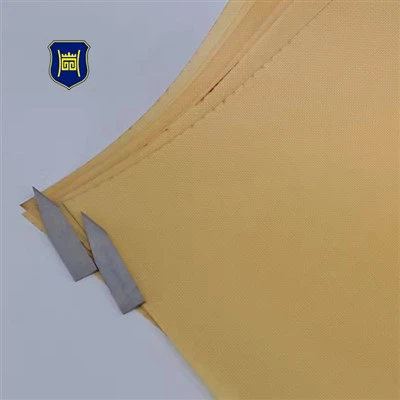

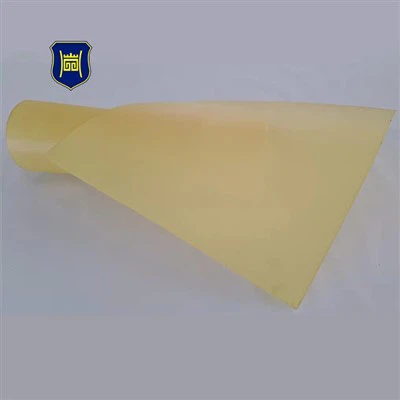
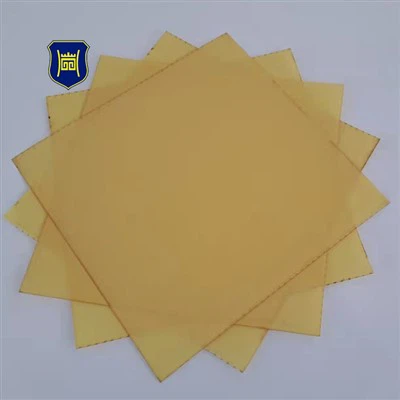


Stab-proof material, also known as stab-resistant material or stab-proof fabric, is designed to protect against puncture or penetration by sharp objects such as knives, needles, or spikes. These materials are typically made using layers of strong fibers such as Kevlar, Dyneema, or Spectra, which are tightly woven or laminated together to form a tough barrier. The structure of the material is engineered to distribute and absorb the force of an impact, preventing the sharp object from penetrating through to the wearer's skin or body. Stab-proof materials are commonly used in the manufacturing of protective clothing, such as stab-resistant vests worn by law enforcement officers and security personnel.
Common Materials of Stab Vest Armor Panels
Aramid Fiber Stab Vests (e.g., Kevlar): Aramid fibers are widely used in stab vests due to their exceptional strength-to-weight ratio. These synthetic fibers are lightweight, flexible, and possess high tensile strength. They work by distributing the force of an impact across the fibers, reducing the risk of penetration. While more common in ballistic vests due to their costs, aramid stab vests tend to be composites with other materials such as in the Fortis range. These armors tend to be soft and flexible.
Carbon Fibre Stab Vests: In recent years, carbon fiber stab vests have become popular due to their blunt force protection and lightweight nature. Unlike soft armours, carbon fibre stab vests form a shell around the user which does not bend with the body and allows it to absorb more shock damage.
Soft-Steel Stab Vests: Some manufacturers opt for using soft-steel which is essentially a semi-flexible sheet of thin metal that covers the user’s vital organs. It is somewhere in between the above two types with regards to flexibility, comfort and shock resistance. These tend to be less expensive than other makes of stab vests
Differences Between Bulletproof Vest And a Bulletproof Plate Carrier
A plate carrier is typically heavier than a bulletproof vest because a plate carrier uses armor plates for an added layer of protection. While a bulletproof vest may be more lightweight, this allows for a greater range of mobility and speed, making it ideal for applications where the wearer needs to be agile.
The protection level of each body armor also varies depending on its composition. A bulletproof vest is an effective piece of armor but may not provide as much protection as a plate carrier. The trade-off is that a vest can provide a higher level of mobility and agility.
The body armor material can also help you determine the difference between a plate carrier and a bulletproof vest. In general, a plate carrier is made of an ordinary fabric vest with slots for armor plates. On the other hand, a vest does not feature these removable armor plates but can be made of lightweight or breathable fabric.
One way to differentiate between a vest and a plate carrier is that ballistic vests have zippers on the sides, making them easier to take off or put on. A vest's zipper prevents the ability to put anything around the middle of the vest. While a plate carrier may require more effort to take off or put on, they feature a cummerbund and adjustable straps for a more secure fit.
MOLLE, modular lightweight load-carrying equipment, refers to extra compartments and pouches for carrying essential equipment and gear. While MOLLE is a vital aspect of a plate carrier, it is not mandatory for a bulletproof vest.

Applications of Stab Proof Material
Law Enforcement and Security: Police officers, security guards, and other law enforcement personnel often wear stab-proof vests or incorporate stab-proof fabric into their protective gear to safeguard themselves against knife attacks while on duty.
Corrections and Prison Settings: Stab-proof fabric is commonly utilized in correctional facilities to protect prison guards and personnel from potential assaults with sharp objects by inmates.
Military and Tactical Operations: Military personnel and special forces may employ stab-proof fabric in their body armor or protective clothing to defend against potential stabbing threats encountered in combat or tactical situations.
Private Security and Bodyguards: Individuals working in private security or providing personal protection services may opt for stab-proof garments or accessories to enhance their safety and minimize the risk of injury in situations where they face potential stabbing hazards.
Civilian Self-Defense: Some individuals, particularly those concerned about personal safety, may choose to wear stab-proof clothing or accessories for self-defense purposes, especially in areas where the risk of knife attacks is perceived to be higher.
Cleaning And Storage of Stab-Proof Vests
Cleaning
- Firstly, remove the armor panels from your carrier vest. This is because the vest carrier, which is made from nylon and simple fabrics can be washed normally, however, the armor panels, which may be made from Aramid fibers like Kevlar need to be cleaned more carefully.
- As far as the vest is concerned, you can wash it with cold water, and mild detergent. If your carrier vest is made from Nylon, very hot water can damage the integrity of its fibers, and decrease its lifespan. The carrier vest can be washed in the machine, or by hand as well.
- You shouldn’t expose the armor panel to water. Moisture can be bad for the Aramid fibers that are used to make most stab vests. Luckily, these armor panels have a waterproof lining that keeps the moisture out. You can use a damp cloth, or soft brush to lightly apply mild soapy water on the exterior of the panel, and clean off any dust, or bacteria. Keep in mind that if the water-resistant liner of the stab vest is damaged, moisture will get in and damage the fibers inside. You should never soak the armor panels in water, or try to fold them.
- When you are drying your carrier vest and armor panels, don’t expose them to direct sunlight for too long, especially if you live in a relatively warm environment. Let the carrier vest air dry, and use a dry cloth to whip the armor panels after you clean them. Don’t put the armor panels back in the carrier vest until both have dried completely.
Storage
- You should store your body armor in a cool and dry place, where it isn’t exposed to too much sunlight. High temperature and humidity can be quite detrimental to the quality of your armor panels. Also, make sure that your storage spot doesn’t have any points or jagged edges, that could rip the Nylon Carriers or the protective cover on your armor panels.
- Make sure that you don’t put heavy weight on your armor panels, and fold or distort their shape in any way. If you are regularly using your armor, then hanging it is alright, however, for long-term storage, lay your armor panels flat, and you can also use an air-tight bag.
Purchasing Tips For Stab-Proof Vest
The vest you choose should not only provide the necessary level of protection but also be comfortable and suitable for the specific environment in which you’ll be using it. Here are some features to consider:
Threat Level - Different vests offer varying levels of protection against edged blades and spikes. Choose a vest rated for the specific threats you need to protect yourself from.
Certification - Certifications guarantee that the vest has undergone rigorous testing and meets minimum performance requirements. Be safe and ensure that your choice meets recognized standards.
Comfort and Fit - An uncomfortable vest can hinder movement, so look for adjustable straps. Consider the vest's weight and bulkiness, especially if you’ll be wearing it for extended periods.
Material and Construction - Pay attention to the materials used in the vest and the construction, as they affect the vest’s performance.
Mobility - The vest must allow for freedom of movement, especially in the arms and shoulders, without compromising safety.
Compatibility with other Gear - Make sure the vest is compatible with additional equipment and doesn’t interfere with access to your gear.
Climate and Ventilation - In a hot climate, look for a vest with ventilation and moisture-wicking fabrics to keep you cool. Conversely, in colder climates, consider a vest that provides additional insulation.
Warranty and Lifespan - Check if the vest has a warranty; know its expected lifespan. Protective materials can degrade over time, so it’s important to know when the vest should be replaced.
Additional Features - Consider vests with additional features such as pockets for extra plates, quick-release systems, or reflective strips for visibility.
Our Certificates


FAQ
Q: What is a Stab Proof Vest or Stab Proof Panel?
Q: How to Choose the Right Stab Proof Vest or Stab Proof Panel with the Right Protection Level?
By considering these factors, you can choose the right stabproof vest or panel with the right protection level that can meet your needs and provide the best protection against knife attacks or sharp object penetration.
Q: What is the best material for stab protection?
Q: What are the capabilities of an anti-stab vest?
Q: What are the different levels of stab resistance vests?
Q: Is it illegal to wear a stab-proof vest ?
Q: Do stab vests expire?
Q: Can Kevlar stop a stab?
Q: What are the difference between stab and spike protection?
Q: What are the different levels of stab-proof?
Q: What is a Stab Resistant Armor?
Materials used in stab-resistant and spike-resistant armor often include high-strength synthetic fibers like Kevlar or Spectra, and laminated materials. The weave of these materials is typically tighter than that used in bullet-resistant vests and often includes a layer of laminate to increase the protective abilities of the dense network of fibers.
Q: Are stabproof vests uncomfortable?
Q: How thick is a stabproof vest?
Q: Will a stab vest stop a bullet?
Q: Why are bulletproof vests not stabproof?
Q: Does stabproof clothing work?
Q: How does stab vests are tested?
The angle of incidence can be defined as the angle at which a sharp object hits the vest. This is also vital in ensuring the quality of the vests. For example, if you are hit with a straight knife, the penetration rate will be higher when compared to being hit with an angled knife. So, during the testing of stab-resistant vests, the NIJ prioritizes the angle of incidence as well along with other factors.
We're professional stab proof material manufacturers and suppliers in China. Please feel free to buy high quality stab proof material for sale here from our factory. For more information, contact us now.
stab proof boot, stab proof scarf, cut and stab resistant gear